terça-feira, 9 de agosto de 2011
segunda-feira, 8 de agosto de 2011
MERIT CROSS IIK
This award was created by Adolf Hitler in 1939 as a successor to the non-combatant Iron Cross which was used in earlier wars (same medal but with a different ribbon). The award was graded the same as the Iron Cross: War Merit Cross Second Class, War Merit Cross First Class, and Knights Cross of the War Merit Cross. The award had two variants: with swords given to soldiers for exceptional service in battle above and beyond the call of duty (but not worthy of an Iron Cross which was more a bravery award), and without swords for meritorious service behind the lines which could also be awarded to civilians. Recipients had to have the lower grade of the award before getting the next level. There was also another version below the 2nd class simply called the War Merit Medal (German: Kriegsverdienstmedaille), set up in 1940 for civilians in order to offset the large number of 2nd class without swords being awarded. It was usually given to those workers in factories who significantly exceeded work quotas.
A Cruz de Mérito foi uma condecoração da Alemanha nazi durante a Segunda Guerra Mundial, que podia ser concedida a civis, assim como militares. Foi reeditado em 1957 pela Bundeswehr em uma versão de-nazificada para os veteranos.
Este prêmio foi criado por Adolf Hitler em 1939 como um sucessor para o Cruz de Ferro não-combatente que foi usada em guerras anteriores (mesma medalha, mas com uma fita diferente). A condecoração tem os mesmos graus que a Cruz de Ferro: Cruz de mérito 2ª classe,Cruz de mérito 1ª classe , e a cruz de mérito de cavaleiro. O prémio teve duas variantes: com espadas dadas aos soldados para o serviço excepcional na batalha acima e além da chamada do dever (e não digno de uma Cruz de Ferro), e sem espadas para serviços meritórios para trás as linhas que poderiam então, ser concedido aos civis. Os beneficiários tinham possuir o grau anterior para poder receber o próximo. Houve também uma outra versão abaixo da 2 ª classe simplesmente chamado a Medalha de Mérito de Guerra (Deutsch: War Medalha de Mérito), criado em 1940 para os civis, a fim de compensar o grande número de 2 ª classe sem espadas. Era geralmente dada aos trabalhadores das fábricas que excediam significativamente as quotas de trabalho.
sexta-feira, 21 de janeiro de 2011
BLACK WOUND BADGE + LDO BOX
Wound Badge was a German military award for wounded or frost-bitten soldiers of Imperial German Army in World War I, the Reichswehr between the wars, and the Wehrmacht, SS and the auxiliary service organizations during the Second World War. After March 1943, due to the increasing number of Allied bombings, it was also awarded to injured civilians. It was ultimately one of the most common of all Third Reich decorations, yet also one of the most highly prized, since it had to be "bought with blood".
The badge had three versions: black (representing Iron), for those wounded once or twice by hostile action (including air raids), or frost-bitten in the line of duty; silver for being wounded three or four times, or suffering loss of a hand, foot or eye from hostile action (also partial loss of hearing), facial disfigurement or brain damage via hostile action; and in gold (which could be awarded posthumously) for five or more times wounded, total blindness, "loss of manhood", or severe brain damage via hostile action. Badges exist in pressed steel, brass and zinc, as well as some base metal privately commissioned versions. Those of the First World War were also produced in a cutout pattern.
All versions of the Wound Badge were worn on the lower left breast of the uniform or tunic. The badge was worn below all other awards on the left. It is thought that more than 5 million were awarded during World War II. In 1957, a revised version of the Wound Badge was authorised for wear; however, the previous type could still be worn if the swastika was removed (for example by grinding).
Wound Badges were primarily manufactured by the Vienna mint, and by the firm Klein & Quenzer. At first, the Wound badge in Black was stamped from sheet brass, painted semi-matt black, and had a hollow reverse with a needle pin attachment. From 1942, Steel was used to make the badges, which made them prone to rust. The Wound Badge in silver was made (before 1942) from silver-plated brass, and (after 1942) from lacquered zinc, and had a solid reverse with either a needle pin or a broad flat pin bar. The Wound Badge in Gold was a gilded version of the Wound Badge in Silver.
WOUND BADGE: Foi um prémio militar para soldados feridos ou "frostbited", atribuido no Exército imperial na I Guerra Mundial, na Reichswehr entre as guerras, e na Wehrmacht, SS e organizações de serviços auxiliares durante a Segunda Guerra Mundial. Depois de março de 1943, devido ao número crescente de bombardeios aliados era concedido aos civis feridos. Foi uma das decorações mais comuns do Terceiro Reich, ainda assim um dos mais valorizados, uma vez que tinha de ser "comprado com sangue."O emblema teve três versões: preto (representando Ferro), para os feridos por uma ação hostil uma ou duas vezes (incluindo ataques aéreos), "frostbite", de prata por ser ferido três ou quatro vezes, sofrer a perda de uma mão, pé ou olho (ou perda parcial da audição), desfiguração facial ou lesões cerebrais, e em ouro (o que poderia ser concedido in memoriam) por cinco ou mais vezes, cegueira, total perda "da masculinidade ", ou graves danos cerebrais. As condecorações existem em aço estampado, latão e zinco, bem como alguns metais comuns. Os da Primeira Guerra Mundial também foram produzidos em um padrão de corte.Todas as versões do Wound Badge eram usados na parte inferior do peito esquerdo do uniforme ou túnica. O emblema era usado abaixo de todas as outras concessões à esquerda. Pensa-se que mais de 5 milhões foram premiados durante a Segunda Guerra Mundial. Em 1957, uma versão revista do Wound Badge foi autorizada para uso, o tipo anterior poderia ser usado se a suástica fosse removida.
Os Wound Badge foram primeiro fabricados pela Casa da Moeda Viena, e pela empresa de Klein & Quenzer. Na principio, o emblema Wound in Black foi cunhado em folha de latão, pintado semi-fosco preto, e tinha uma agulha oca com um pino de fixação inversa. A partir de 1942, foi usado aço para fazer os crachás, que os tornava propensos à ferrugem. O emblema em prata foi feito (antes de 1942) em broze banhado a prata, e (após 1942) de zinco lacado, e tinha um reverso sólido com barra de pino largo e achatado. O emblema em Ouro era uma versão dourada do emblema da ferida em prata.
Wound badge in black
Wound badge in silver
Wound Badge in Gold
Etiquetas:
006,
007,
alemanha,
condecorações,
originais
quarta-feira, 8 de dezembro de 2010
CAPACETE "TOMMY" BRODIE MKI BRODIE MARK I TOMMY HELMET
CAPACETE "TOMMY" BRODIE MKI
BRODIE MARK I TOMMY HELMET
The latest aquisition to my collection is a Brodie helmet, called Helmet, steel, Mark I helmet in Britain and the M1917 Helmet in the U.S., was a steel combat helmet designed and patented in 1915 by the Briton John Leopold Brodie. Colloquially, it was also called the shrapnel helmet, Tommy helmet, or Tin Hat.
This one is a FAP example. The FAP stands for First Aid Post, and was used during the "Blitz".
quarta-feira, 1 de dezembro de 2010
PROJECTEIS DE M1-GARAND M1 - GARAND BULLETS
Projecteis de M1-Garand – M1-Garand bullets
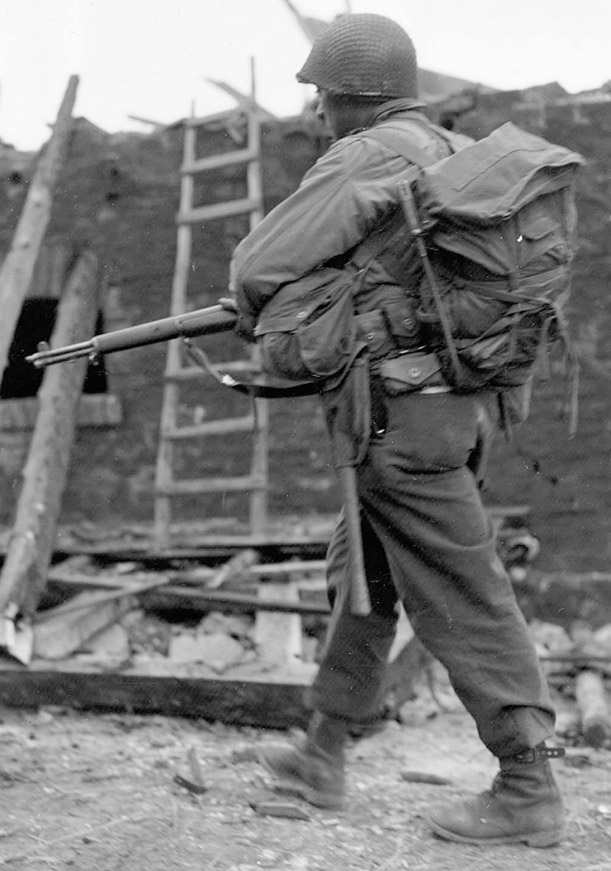
Projécteis de M1-Garand encontrados na praia de Utah na Normandia. Enterrados na areia desde 6 de Junho de 1944, foram encontrados com detector de metais. A M1-Garand foi uma das armas ligeiras mais usadas no desembarque.
M1-Garand bullets, found deep in the sand at Utah Beach. Buried in the sand since the 6th of June 1944, found with the help of a metal detector. The M1-Garand was one of the most used light weapons during the landings on d-day.
CONTENTOR DE GORDURA - BUTTER/FAT DISH
Contentor de Gordura – Butter/Fat Dish
Exemplar de um contentor de gordura do exército alemão. Normalmente utilizado para transportar manteiga ou outro tipo de gordura para cozinhar. Este contentor era em baquelite. Este exemplar está marcado KZ3.
This is an example of a German army fat/butter dish. Normally used to transport butter, or other cooking fats. This dish is in Bakelite. This item is marked KZ3
Etiquetas:
015,
alemanha,
butter dish,
field gear,
originais
Subscrever:
Mensagens (Atom)